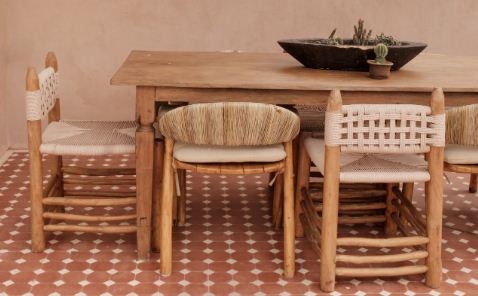
Morocco has a long and celebrated tradition of woodworking, where skilled artisans transform natural timber into beautiful pieces that combine practicality, durability, and artistic expression. From intricately carved doors and tables to handcrafted seating and decorative furniture, Moroccan woodworking reflects a deep appreciation for craftsmanship. Among the woods used for high-quality furniture, teak is particularly valued for its strength, stability, and warm natural appearance.
Making handmade furniture from teak wood in Morocco is a process that brings together traditional techniques and modern woodworking practices. The result is furniture that can complement both classic Moroccan interiors and contemporary homes.
Why Teak Is an Excellent Choice for Handmade Furniture
Teak is a dense hardwood known for its durability and resistance to moisture. Its natural oils help protect the wood from insects, decay, and changing environmental conditions. This makes teak suitable for furniture that is expected to last for many years.
Its golden-brown color, distinctive grain, and ability to develop a rich patina over time also make it attractive for handcrafted furniture. When properly finished, teak can have a smooth, elegant appearance while still retaining the character of natural wood.
For Moroccan furniture makers, teak can be especially appealing when creating substantial dining tables, benches, cabinets, coffee tables, outdoor furniture, and custom pieces.
Selecting the Right Teak Wood
The quality of handmade furniture begins with the selection of the timber. Craftspeople look for teak boards that are properly dried, structurally sound, and relatively free from major cracks, warping, and defects.
Properly seasoned or kiln-dried wood is important because excessive moisture can cause timber to shrink or move after the furniture has been constructed. Before cutting the boards, the artisan should allow the wood to acclimatize to the workshop environment when appropriate.
Responsible sourcing is also important. Buyers and furniture makers should choose legally and sustainably sourced teak whenever possible, particularly because teak is a valuable tropical hardwood.
Designing the Furniture
One of the most interesting aspects of handmade furniture in Morocco is the opportunity to combine function with local artistic traditions.
A furniture maker might create a simple teak dining table with clean contemporary lines, or incorporate Moroccan influences through geometric patterns, arches, carved details, or traditional proportions.
Before construction begins, the artisan usually develops a sketch or detailed plan. The design considers the dimensions of the finished piece, the direction of the wood grain, the location of joints, and the thickness required for each component.
Good design is not simply about appearance. It also ensures that the furniture is strong, stable, comfortable, and practical for everyday use.
Preparing and Cutting the Teak
Once the design has been finalized, the timber is carefully measured and marked. The artisan then cuts the boards using appropriate woodworking tools.
Depending on the workshop, this may involve a combination of traditional hand tools and modern equipment such as table saws, planers, routers, and sanders.
Hand tools remain valuable because they allow the craftsman to make precise adjustments and refine details that machines cannot always reproduce. The goal is to remove unnecessary material while preserving the natural character of the teak.
The grain direction should also be considered carefully. Cutting and assembling boards with attention to the grain can improve the appearance and structural performance of the finished furniture.
Traditional Moroccan Craftsmanship
Moroccan woodworking is particularly admired for decorative detail. Depending on the style of the furniture, artisans may use carving, geometric motifs, turned components, or handcrafted joinery.
Traditional Moroccan geometric designs can be incorporated subtly into teak furniture. A cabinet door, for example, might feature a carved geometric pattern, while a coffee table could combine a solid teak top with decorative legs inspired by Moroccan architectural forms.
The best designs avoid overwhelming the natural beauty of the wood. Instead, decoration and craftsmanship work together with the grain and color of the teak.
Joining the Pieces
Strong joints are essential for handmade furniture. Instead of relying exclusively on screws or nails, skilled woodworkers can use traditional woodworking joints such as mortise-and-tenon joints, dowels, or carefully constructed wooden connections.
Teak’s density makes accurate joinery particularly important. Tools must be sharp, measurements must be precise, and the artisan needs to account for the natural movement of wood.
A well-made joint should be strong while allowing the furniture to withstand normal changes in temperature and humidity.
Sanding and Surface Preparation
After the main structure has been assembled, the furniture is carefully sanded. Sanding removes tool marks and imperfections while revealing the natural texture and grain of the teak.
For a refined finish, craftsmen may progressively use finer grades of sandpaper. However, excessive sanding can make the surface look unnaturally smooth and can remove some of the character that makes handmade wood furniture distinctive.
Before applying a finish, the surface should be thoroughly cleaned so that dust and debris do not become trapped in the final coating.
Finishing Teak Furniture
Teak can be finished in several ways depending on the desired appearance and intended use.
A natural oil finish can emphasize the warm tones and grain of the wood. Alternatively, a protective clear finish can provide additional resistance to stains and everyday wear.
Outdoor teak furniture is often allowed to weather naturally. Over time, untreated teak can develop a characteristic silver-gray appearance. Owners who prefer to maintain the original golden-brown color can use appropriate teak-care products and follow the manufacturer’s instructions.
The choice of finish should take into account whether the furniture will be used indoors or outdoors, how frequently it will be handled, and the desired visual effect.
Combining Teak with Moroccan Interior Design
Teak furniture can work particularly well with Moroccan interiors because its warm color complements many traditional materials and decorative elements.
A handmade teak table can be paired with Moroccan tiles, woven rugs, leather seating, brass lighting, or handmade ceramics. In a contemporary Moroccan home, a simple teak console or dining table can provide a natural focal point without competing with colorful architectural details.
The combination of natural wood and Moroccan craftsmanship creates a balance between rustic warmth and refined design.
The Value of Handmade Furniture
Handmade furniture offers something that mass-produced products often cannot: individuality.
Each piece of teak has its own grain pattern, color variations, and natural characteristics. When an artisan builds furniture by hand, these qualities can become part of the design rather than being treated as imperfections.
Handmade furniture can also be customized to a client’s specific requirements. Dimensions, finishes, decorative elements, and construction details can be adapted for a particular home or commercial space.
In Morocco, this approach can help preserve woodworking skills while creating furniture that reflects both local culture and the preferences of modern customers.
Caring for Handmade Teak Furniture
Proper maintenance can significantly extend the life of teak furniture. Indoor pieces should generally be kept away from excessive moisture and prolonged direct sunlight. Spills should be cleaned promptly with a soft cloth.
Outdoor furniture benefits from regular cleaning and appropriate protection from extreme weather conditions. The manufacturer’s or craftsperson’s recommendations should always be followed when selecting cleaning products or finishes.
Most importantly, teak furniture should be treated as a natural material. Small changes in color, texture, and movement are normal characteristics of solid wood.
Conclusion
Making handmade furniture from teak wood in Morocco is a craft that combines durable natural material with skilled workmanship and distinctive design. From selecting and preparing the timber to creating strong joints, adding Moroccan-inspired details, and applying the final finish, every stage contributes to the quality of the finished piece.
Whether it is a dining table, coffee table, cabinet, bench, or custom outdoor piece, handmade teak furniture can bring warmth and character to a Moroccan interior while offering exceptional longevity.
By combining responsible teak sourcing with traditional craftsmanship and thoughtful contemporary design, Moroccan furniture makers can create pieces that are not only functional but also represent the enduring value of handmade woodworking.